
What is Dyslipidemia?
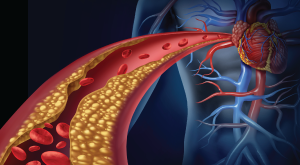
WHAT IS DYSLIPIDAEMIA?
Dyslipidaemia (or dyslipidemia) is a medical condition where there are abnormal levels of lipids (fats) in the blood. These lipids include:
Cholesterol (especially LDL – “bad” cholesterol, and HDL – “good” cholesterol)
Triglycerides (another type of fat)
Types of Dyslipidaemia:
High LDL cholesterol – increases risk of atherosclerosis and heart disease
Low HDL cholesterol – less “good” cholesterol to remove bad cholesterol
High triglycerides – associated with pancreatitis, metabolic syndrome
Mixed/combined dyslipidaemia – abnormal levels of multiple lipids
Causes:
Primary (genetic): e.g., familial hypercholesterolaemia
Secondary (lifestyle or medical conditions):
Poor diet (high in saturated/trans fats)
Obesity
Diabetes
Hypothyroidism
Kidney or liver disease
Certain medications (e.g., steroids, beta-blockers)
Symptoms:
Usually asymptomatic, but can lead to complications over time, such as:
Atherosclerosis (narrowing of arteries)
Heart attacks
Stroke
Pancreatitis (especially with very high triglycerides)
Diagnosis:
Done via a blood test called a lipid profile, which measures: Total cholesterol; LDL cholesterol; HDL cholesterol; Triglycerides
Treatment:
Lifestyle changes:
Diet (low saturated fats, more fiber)
Exercise
Weight loss
Quitting smoking
Limiting alcohol
Medications (if needed):
Statins (most common)
Fibrates
Niacin
Omega-3 fatty acids
Ezetimibe
PCSK9 inhibitors
APA ITU DISLIPIDEMIA?
Dislipidemia ialah keadaan di mana tahap lemak dalam darah (lipid) adalah tidak normal. Ini termasuk:
Kolesterol (terutama LDL – “kolesterol jahat”, dan HDL – “kolesterol baik”)
Trigliserida (sejenis lemak dalam darah)
Jenis-jenis Dislipidemia:
LDL tinggi – meningkatkan risiko penyakit jantung dan strok
HDL rendah – kurang perlindungan terhadap saluran darah
Trigliserida tinggi – boleh menyebabkan masalah seperti pankreatitis
Gabungan / dislipidemia campuran – beberapa jenis lipid tidak normal serentak
Punca-punca:
1. Faktor genetik (utama):
Contoh: Familial hypercholesterolemia
2. Faktor sekunder (gaya hidup atau penyakit lain):
Pemakanan tinggi lemak tepu dan trans
Kurang bersenam
Obesiti
Kencing manis (diabetes)
Penyakit tiroid (hipotiroidisme)
Penyakit hati atau buah pinggang
Ubat-ubatan tertentu (contoh: steroid, beta-blocker)
Tanda-tanda:
Kebanyakan pesakit tidak menunjukkan simptom langsung. Namun, jika tidak dirawat, ia boleh menyebabkan:
Penyumbatan saluran darah (aterosklerosis)
Serangan jantung
Angin ahmar (strok)
Pankreatitis (bila trigliserida terlalu tinggi)
Cara Diagnosis:
Melalui ujian darah yang dipanggil profil lipid, untuk menyemak: Kolesterol keseluruhan; Kolesterol LDL; Kolesterol HDL; Trigliserida
Rawatan:
1. Perubahan gaya hidup:
Diet sihat (rendah lemak tepu, lebih serat)
Senaman secara berkala
Kurangkan berat badan
Berhenti merokok
Kurangkan atau elak alkohol
2. Ubat-ubatan (jika perlu):
Statin (ubat paling biasa digunakan)
Fibrate
Omega-3
Ezetimibe
Niacin
PCSK9 inhibitors (untuk kes yang lebih serius)